
After years of giving free passes to counterparts from Korea, Japan, US in the Indian auto market, Chinese automakers had planned a major push to grab the fifth largest car market in the world. But the shutdown of factories and logistics hubs in the country following the outbreak of coronavirus is slowly constricting the business of Chinese auto majors which have recently entered India.

The number of participating automakers has fallen from 50 in 2018 to 30 this year. The count of exhibitors, including technology companies, has come down from 119 to 112. And showstopper luxury and supercar brands, including Toyota, Jeep, Lamborghini, Porsche, and Volvo will be missing. Similarly, the commercial vehicle makers also gave the show a miss -- a prolonged economic slowdown has dented their fortunes and near chances of any recovery.

Owing to the poor market conditions and tepid sentiments, the size of the show has shrunk compared to the last edition, which took place in 2018. A majority of the two-wheeler makers, and several car and commercial vehicle makers, have opted out of this year's show, which opens for the media on Wednesday.

From Hyundai to Tata Motors, automakers are staring at a bleak future. With no succor provided in the Budget, the pain for companies is likely to continue for the next two quarters.

Chinese automakers Great Wall Motors, FAW Haima Automobile, and Changan Automobile, after dithering about entering India for some years, have been encouraged by the robust sales performance of the late entrants Kia Motors and MG Motors even in a slowing market.

It's the first time in its 178-year-old history that the iconic British motorcycle firm owned by the Bloor family has got into an alliance. Three years after announcement, the two companies formally signed on the dotted lines on Friday for a long-term partnership, which aims to achieve global scale in a segment in which Royal Enfield has head-start.

This number is more than the total number (1,071) of electric cars sold in India in calendar year 2019. MG has stopped registrations for the ZS and will cater to 2,409 of the total bookings.
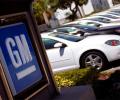
The move marks the entry of GWM, one of the largest manufacturers of sport utility vehicles (SUVs) and pick-ups, into the Indian market and a complete exit for GM from the country, two years after it stopped selling cars here.

The BS-VI norms are expected to increase the price of two-wheelers by 10-14 per cent.

Morgan Stanley Sales & Trading, US, believes the stock is better value for money than others and has a upside as high as 73 per cent. A slowdown in the economy has hit demand and led to a fall in overall consumption in an auto market which till recently was one of the fastest growing in the world.

Maruti is sticking to this strategy at a time when rival Hyundai is looking to make the most of the monopoly it will have in the compact diesel segment from April 1, 2020, when the BSVI emission norms kick in. The market leader's confidence stems from the rapid shift in favour of petrol in the PV segment. For newer models such as MG Hector and Seltos, nearly 75 per cent bookings are for petrol variants, Kia has 55 per cent from petrol variants. The change in customer preference from diesel variants to petrol has happened quickly over the past few years.
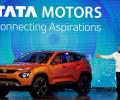
This will ensure its vehicles reach dealers much faster and delivered to buyers in a maximum of three days, reports Shally Seth Mohile.

Primary steel producers in the domestic market have raised product prices by 2.5 to 3 per cent for December to address margin compression and in anticipation of a demand pick-up.

The entire range of Hyundai's diesel cars - from compact ones to SUV models, including the soon-to-be-launched Aura - will be eco-friendly.

Let alone a discount, they might not even get the model, variant or colour of choice in BS-IV-compliant vehicles.
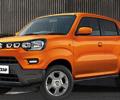
The growth in the PV segment was primarily led by car market leader, Maruti Suzuki India, which saw its dispatches to dealers grow 4.4 per cent YoY to 144,277 units after 10 months of drop. It was driven by new launches, such as the S-Presso, a mini sport UV.

The biggest spender was Tata Motors, with Rs 4,224.6 crore assigned under the R&D head.
Cleartrip acquired Saudi travel firm Flyin last July and it provides bilingual ground support service and itineraries for inbound tourists.

Trust today means more than the belief that a brands' products will work as advertised; consumers want to believe that the company truly cares for its customers.

Mahindra is the latest among a clutch of other manufacturers that have been using services, fuel efficiency and packages as unique selling proposition. Sales of Mahindra's heavy trucks dropped to 3,427 units in the eight months from April to September.
 © 2025 Rediff.com - Investor Information - Advertise with us - Disclaimer - Privacy Policy - Sitemap - Feedback - About us - Terms of use - Grievances